Author: MilwaukeeNotebook

Carl Swanson blogs about Milwaukee history. He has written for newspapers and magazines for more than 25 years. He lives in Milwaukee's Riverwest neighborhood with his wife, two children, and two cats.

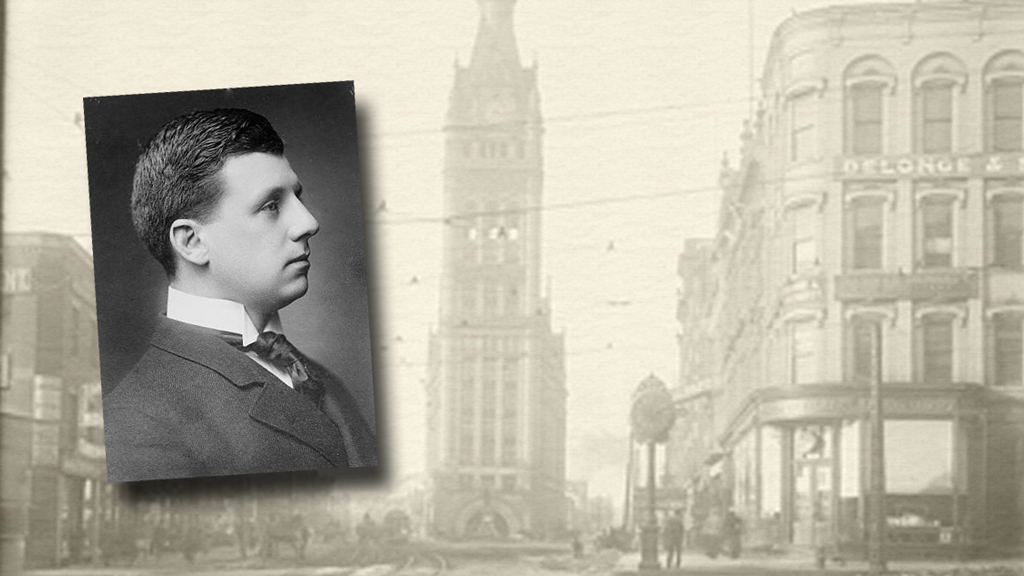
The adventures of Milwaukee’s boy mayor

He only ran the city for two years, but no Milwaukee mayor had more fun in office – or pulled crazier stunts, than Sherburn Becker, known as the "boy mayor."

He only ran the city for two years, but no Milwaukee mayor had more fun in office than 26-year-old Sherburn Becker, known as the “boy mayor.”

He loved watching fires, hated sidewalk clocks, drove the fastest and flashiest car in town, and set the city’s political establishment on its ear. Elected mayor in 1906 at the age of 26, he only served a single two-year term but no one had more fun in office, or pulled crazier stunts, than Sherburn M. Becker, nationally famous as “Milwaukee’s boy mayor.” (more…)

Estabrook dam: interesting past, uncertain future

Photo by Rachel Swanson

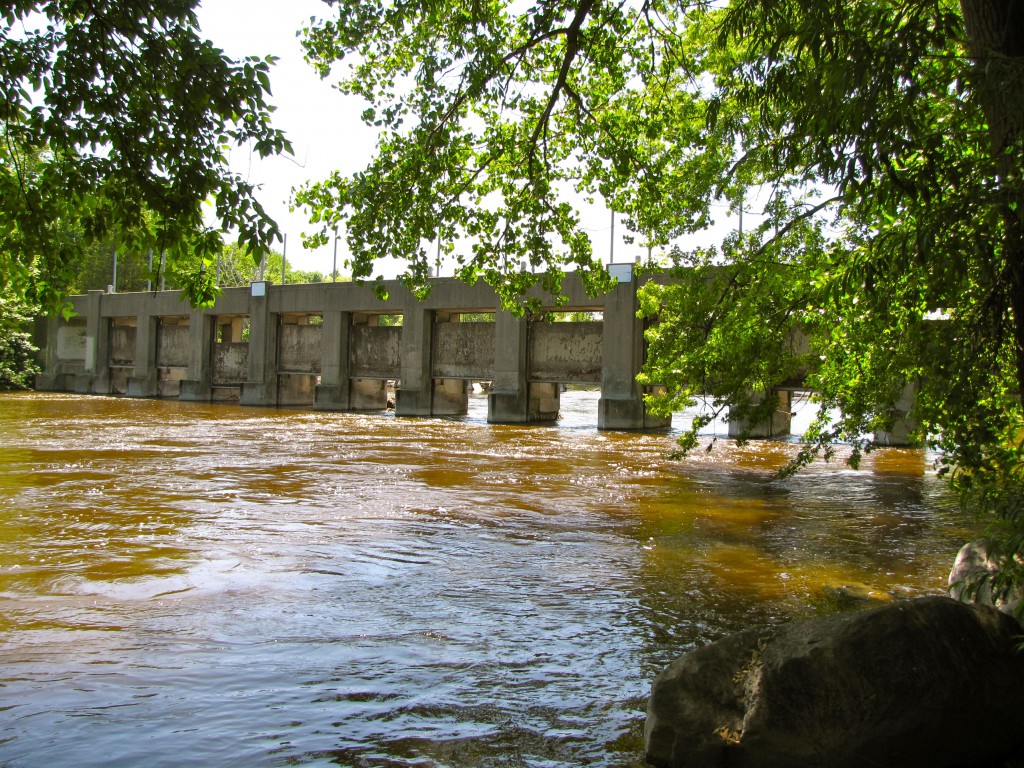
The fate of the 77-year-old Milwaukee River dam at Estabrook Park will be decided in the coming months. Photo by Rachel Swanson

After years of debate, Milwaukee County is moving closer to a decision concerning its 1937 dam across the Milwaukee River at Estabrook Park and, no matter the outcome, at least some river users are bound to be disappointed. Those who wish to see the Milwaukee River flowing unimpeded argue forcefully for its removal, while others are just as vehement in demanding a new or rebuilt dam.

In 2009, the state Department of Natural Resources, after a long, worried look at the present dam’s condition, ordered Milwaukee County to either fix it by the end of 2014 or remove the dam. The 2009 order also required the dam gates be left permanently open to alleviate stress on the structure. (more…)

The man who started Milwaukee

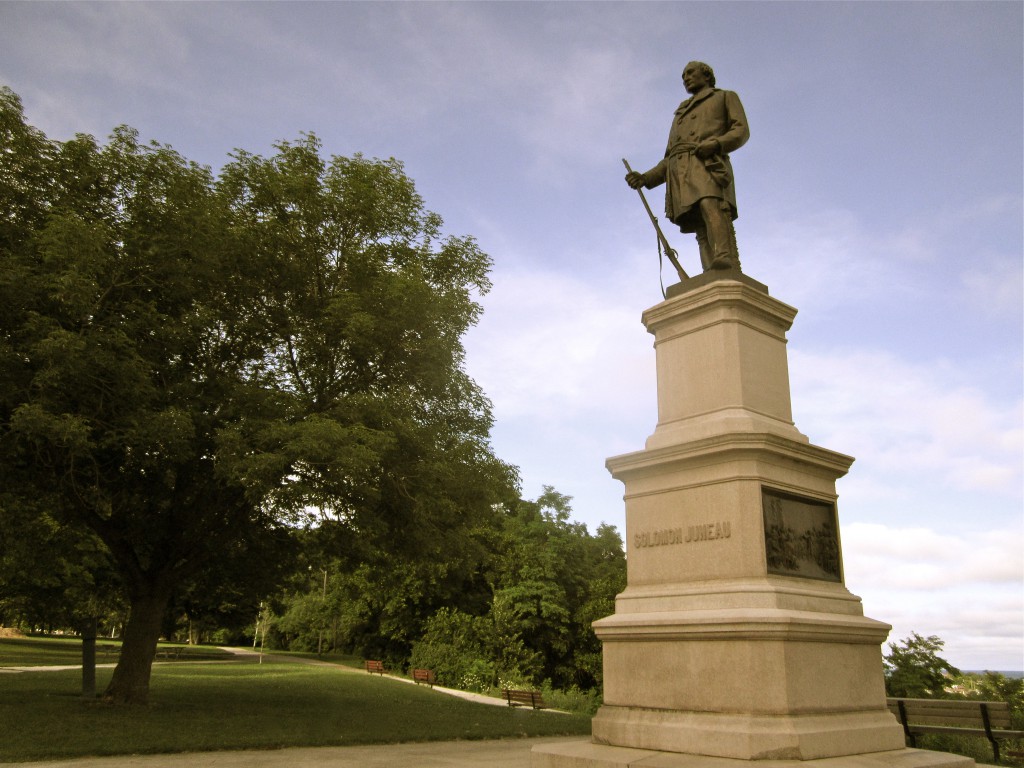
Solomon Juneau stands on the shore of Lake Michigan and looks across the city he founded. The first permanent white settler of the city, Juneau was also a friend to the Menomonee Indians, the city's first mayor, and the father of 15 children. Photo by Carl Swanson
Solomon Juneau stands on the shore of Lake Michigan and looks across the city he established. A fur trader turned city founder, Juneau was also a friend to the Menomonee Indians, the city’s first mayor, and the father of a dozen children. Photo by Carl Swanson

Enjoy this sample chapter from the book, Lost Milwaukee, by Carl Swanson, published by the History Press.

One recent day in Milwaukee’s Juneau Park, a strolling couple paused to look at an imposing statue. Reading the name on the pedestal, one asked, “Who’s Solomon Juneau?”

The short answer is he was a fur trader who turned a cabin in the wilderness into a thriving city. He developed the downtown and the East Side. He donated land and materials for the first courthouse. He was Milwaukee’s first postmaster, its first village president and, when the city was incorporated, its first mayor.

Juneau made a fortune and lost practically everything. He made many friends and kept them all. The pallbearers in his funeral procession included four chiefs of the Menomonee Nation.

This founder of Milwaukee was French Canadian, born near Montreal, Canada, on August 9, 1793. (He became a U.S. citizen in 1831.)

(more…)

Enjoy Milwaukee this Labor Day

Sightseers enjoy all Milwaukee has to offer in this comic postcard from the early 1900s. The vehicle features coin-operated beer dispensers, as well as bins containing schweizer kane, pumpernickel, frankfurter, and sauerkraut. The person who mailed this card in 1907 advised the recipient to "Have a drink on us." Collection of Carl Swanson

Sightseers enjoy all Milwaukee has to offer in this comic postcard from the early 1900s. The vehicle features coin-operated beer dispensers, as well as bins containing schweizer kane, pumpernickel, frankfurter, and sauerkraut. The person who mailed this card in 1907 advised the recipient to “Have a drink on us.” Collection of Carl Swanson

The Shorewood apple orchard standoff

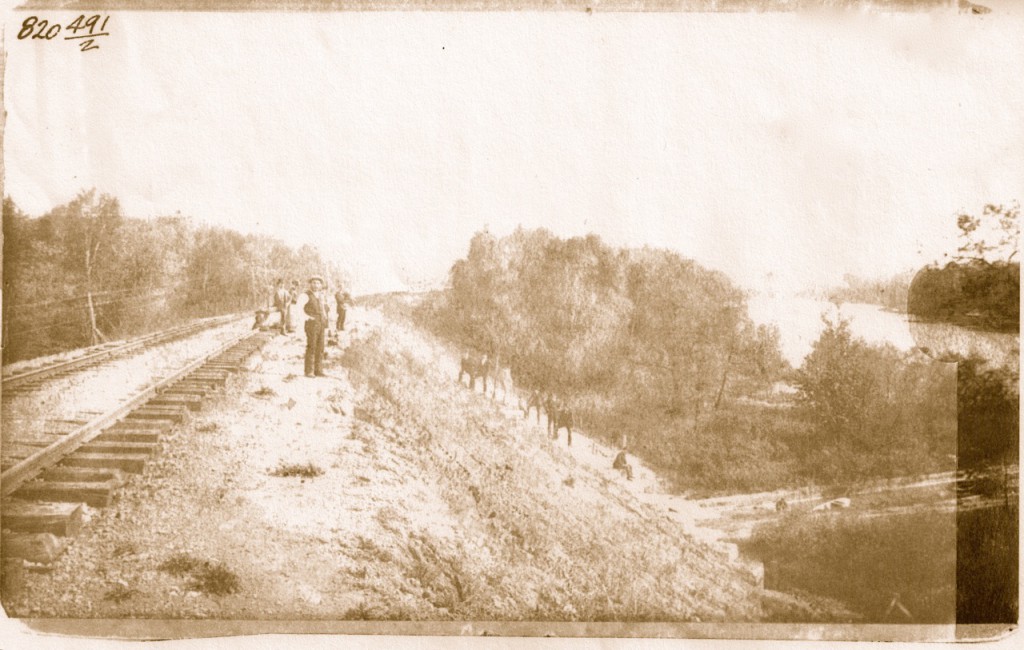
The Northwestern Union built north out of downtown in the 1880s, cutting through hills and filling in ravines as they went. This photo was taken at the location of today's Hubbard Park. Courtesy Milwaukee County Historical Society

The Northwestern Union built north out of downtown in the 1880s, cutting through hills and filling in ravines as they went. This photo was taken at the location of today’s Hubbard Park in Shorewood. Courtesy Milwaukee County Historical Society

In the 1880s the Northwestern Union Ry. began building north along the east bank of the Milwaukee River. In time these tracks became part of the Chicago & North Western system and hosted some of the fastest long-distance passenger trains in the world. But before that could happen, the railroad had to resolve the great apple orchard standoff.

(more…)

Downtown sculpture is an overlooked masterpiece

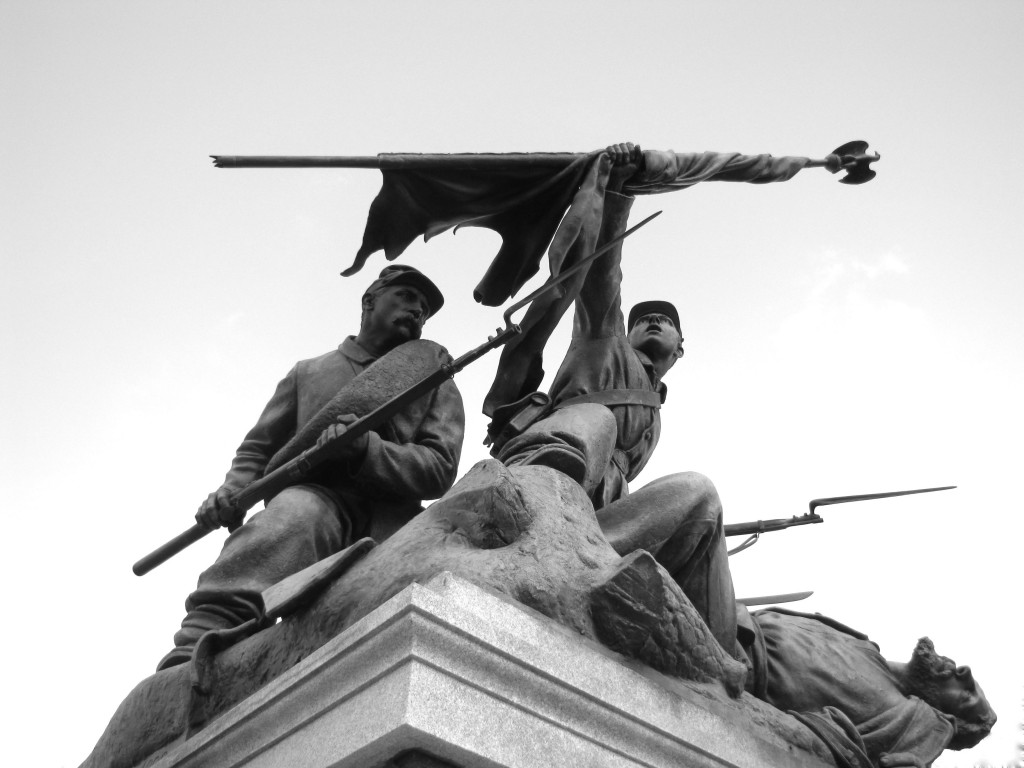
"Victorious Charge" is the name of the sculpture on Wisconsin Avenue near the Central Library. It memorializes the courage and sacrifice of Wisconsin soldiers in the Civil War. Photo by John Swanson

“Victorious Charge” is the name of the 1898 sculpture on Wisconsin Avenue near the Central Library. It memorializes the courage and sacrifice of Wisconsin soldiers in the Civil War. Photo by John Swanson

Milwaukeeans love to despise the city’s public art. From David Middlebrook’s deliberately lopsided Tip in Gordon Park to Gerald P. Sawyer’s Bronze Fonz on the downtown Riverwalk, just about every sculpture in town has its share of detractors.

Even in Milwaukee a piece of public art can occasionally resonate with nearly everyone. For example, the sculpture in the above photo was immediately embraced by art critics and the public alike at its unveiling in 1898. According to the Sons of Union Veterans of the Civil War it is the state’s most important Civil War monument of the 19th century and among the finest-ever monuments dedicated to the memory of the Civil War soldier. And if you live in Milwaukee you almost certainly have passed it many times, perhaps without really noticing it.  (more…)

In 1901, Riverwest residents battled on the frozen Milwaukee River

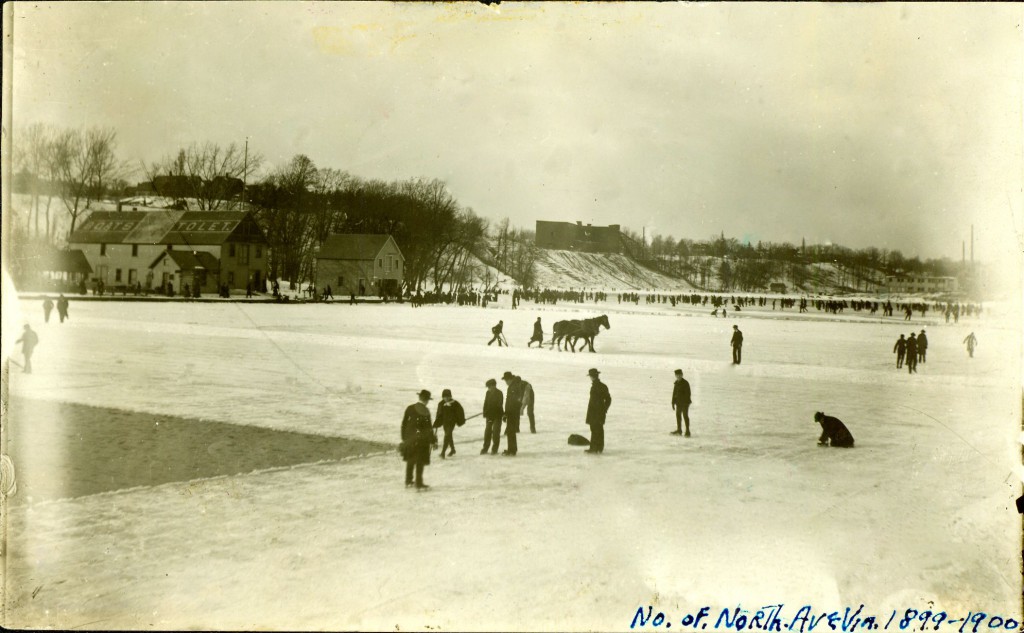
Workers cutting ice from the frozen Milwaukee River upstream of the North Avenue bridge in the winter of 1899-1900. The horse in the background is cutting grooves in the ice in an exact grid. Workers break off the ice and load it into one of seven huge Icehouses located between the North Avenue dam and the foot of East Chambers Street. Courtesy Milwaukee Public Library/Historic Photo Collection

Workers cutting ice on Milwaukee River upstream of the North Avenue bridge in the winter of 1899-1900. The horses in the background are plowing deep grooves in the ice in an exact grid. Workers break off the ice and load it into one of four huge icehouses located between the North Avenue dam and Locust Street. Courtesy Milwaukee Public Library/Historic Photo Collection

Enjoy this sample chapter from the new book, Lost Milwaukee, by Milwaukee Notebook blogger Carl Swanson

During the winter of 1900–01, a pitched battle erupted on the frozen Milwaukee River above the North Avenue dam between enraged ice harvesters and the equally violent crew of a steam-powered launch. The newspapers called it “The Ice War.”

On a section of river that has witnessed many strange things over the years, the ice war was perhaps the strangest. If the riot-on-ice aspect wasn’t odd enough, the fighting was accompanied by jaunty music provided by the steamboat’s brass band.

The ice war lasted six weeks, and it was witnessed by hundreds of spectators and heavily reported in the city’s newspapers. Onlookers and reporters thought it hilarious, but real injuries were sustained, working men had their livelihoods threatened and it all had to do with … ice. (more…)

An ignored Estabrook Park artifact hints at early Indian settlement

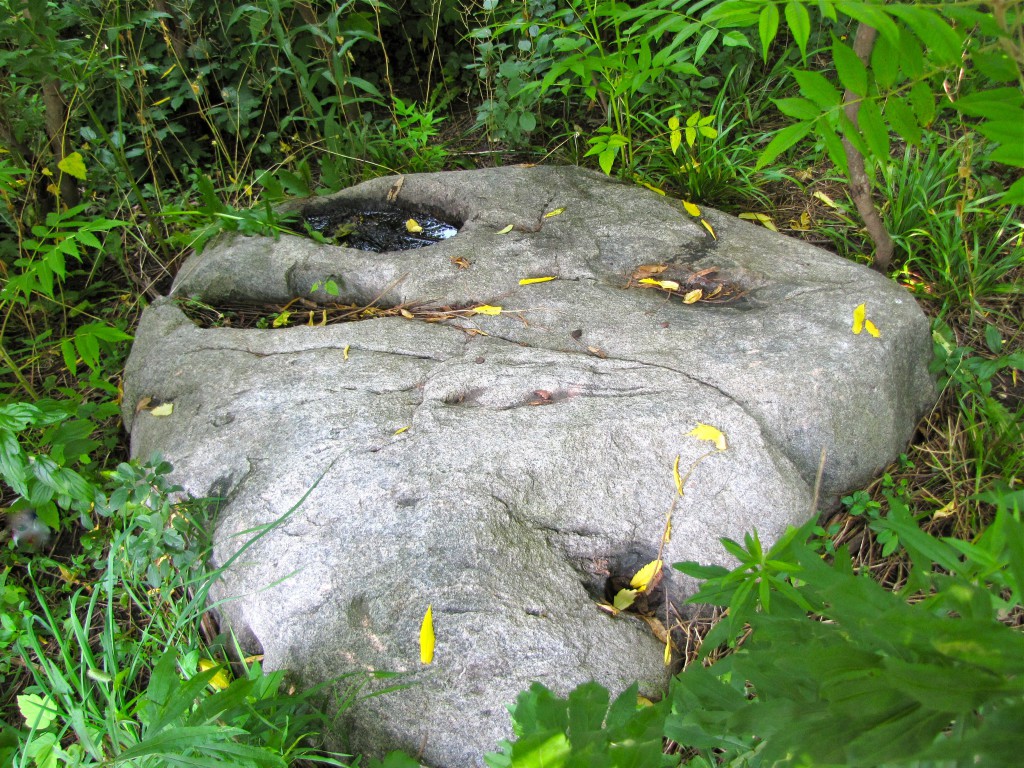
This large, flat rock in Estabrook Park with its two deep oval-shaped hollows, was thought to have been used by early Native Americans to grind corn. The rock was once quite a historic attraction for the park. It appears to be completely forgotten now. Photo by Carl Swanson

This large, flat rock in Estabrook Park with its two deep oval-shaped hollows was said to have been used by early Native Americans to grind corn. Once this was an important  historic attraction for the park but now has seemingly been forgotten. Photo by Carl Swanson

On May 14, 1952, the Milwaukee Journal printed an article promoting the idea of an automobile trip to various Milwaukee County Parks, including Estabrook. The article advised visitors not to miss an artifact that was then a well-known attraction in the park but today has been forgotten. (more…)

How the 1927 Capitol Drive bridge saved part of the Milwaukee River

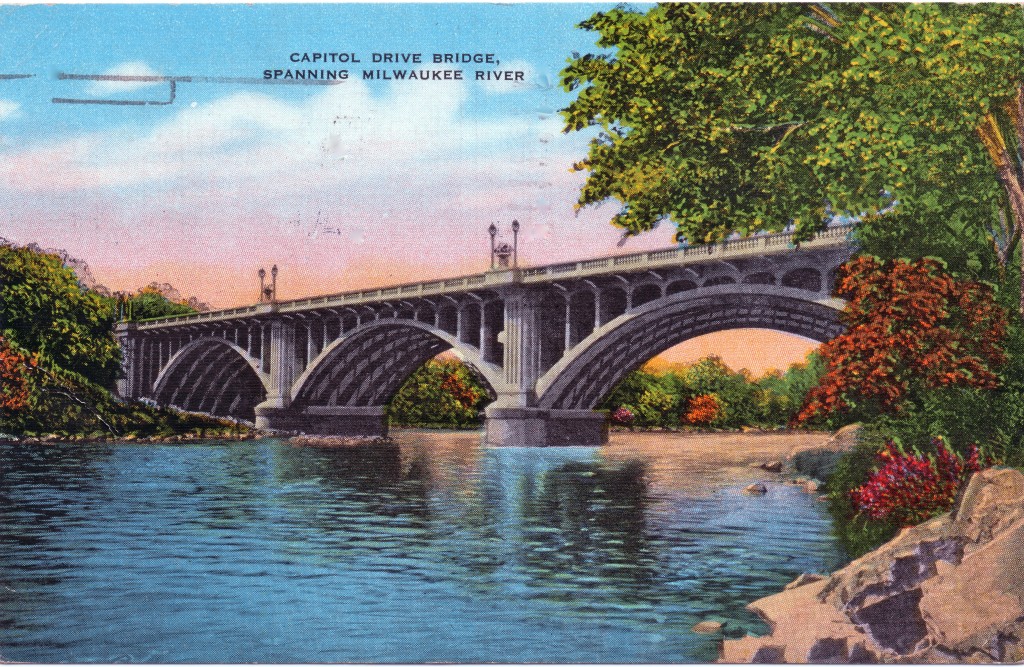
Spanning 532 feet and requiring more than 20,000 tons of concrete, the former Capitol Drive bridge over the Milwaukee River was an imposing structure. The bridge was built in 1927. This postcard was mailed in 1946. Carl Swanson collection

Spanning 532 feet and requiring more than 20,000 tons of concrete, the former Capitol Drive bridge over the Milwaukee River was an imposing structure. The bridge was built in 1927. This postcard was mailed in 1946. Carl Swanson collection

Vintage postcards can be odd. Why on earth would a visitor send the folks back home this postcard of the 1927 Capitol Drive bridge?

Before answering that question, there’s a funny thing about this bridge. In a roundabout way, it saved part of the Milwaukee River from being filled in for a riverside roadway.

In summer 1931, four years after this bridge opened, Shorewood started dumping rubble into the river along on the east bank, south of Capitol Drive, with the intention of narrowing the river by 35 feet and building a roadway along the river.

The planned first section extended north from the foot of East Menlo Boulevard, (basically today’s Hubbard Park), under the Capitol Drive bridge, to a junction 300 feet north of the bridge with the Milwaukee County parkway through Estabrook Park.

Shorewood Village Manager Harry Schmitt told the Milwaukee Journal he hoped the city of Milwaukee would soon follow suit and build a river drive of its own connecting the Shorewood portion of the road southward along the water’s edge to Riverside Park and a connection with East Newberry Boulevard.

In 4 to 5 years, he confidently predicted, motorists would be able to cruise alongside the Milwaukee River for several miles. The road, Schmitt added, was the only way to give the public the benefit of the use of the riverbank.

Schmitt clearly believed filling in a big chunk of the river for a new road was completely reasonable and no opposition could arise.

He was mistaken.

The current Capitol Drive bridge is nothing to write home about. On the other hand, if Shorewood's plans had gone through, this picture would have been taken from the middle of a two-lane road. Photo by Carl Swanson

The current Capitol Drive bridge is nothing to write home about. On the other hand, if Shorewood’s plans had gone through, this picture would have been taken from the middle of a two-lane road. Photo by Carl Swanson

Just four days later, Schmitt received a phone call from the state Public Service Commission ordering the village to cease dumping fill in the river. The action followed a joint protest filed with the PSC by Milwaukee city and county officials. They pointed out Shorewood’s village limits extend only to the natural east bank of the Milwaukee River and not to the center of the stream, as might normally be expected where two communities meet at a river. In other words, since the entire width of the riverbed is inside Milwaukee’s city limits, Shorewood was dumping fill outside of its jurisdiction.

Ironically, it was Shorewood’s own action in an earlier dispute that may have doomed its river roadway.

When the 1927 Capitol Drive bridge was in its planning stages (it replaced a spindly steel truss contraption so narrow there was scarcely room for two vehicles to pass), the city of Milwaukee asked Shorewood to share the cost. The village categorically refused, pointing to its founding charter that set the community’s boundary at the water’s edge and included no part of the river itself.

To Shorewood’s dismay, Milwaukee remembered this piece of historical trivia and turned it against the village four years later.

Getting back to the original question: Why were postcard buyers attracted to views of bridges? We usually think of bridges—if we think of them at all—as utilitarian ways to get from here to there.

In 1927 people would have seen things differently. The new Capitol Drive really was a marvel. Not because it cost a jaw-dropping $400,000 in pre-depression dollars and not because it took 20,000 tons of cement to build, but because it connected the entire north side of Milwaukee with the entire North Shore by way of an impressively long, wide, and elegant piece of engineering.

They were seeing the big picture. That’s certainly worth the price of a postcard, even if all you could fit on the back is, “Having a great time in Milwaukee, wish you were here.”

Carl Swanson is the author of the book Lost Milwaukee from The History Press, available from book stores or online.

Amid the ruins of Gordon Park

gordon_park_stairs_southside

A retaining wall is a reminder of Gordon Park’s bathhouse, built 100 years ago along the west bank of the Milwaukee River. Photo by Carl Swanson

Enjoy this sample chapter from the new book, Lost Milwaukee, by Milwaukee Notebook blogger Carl Swanson

Deep in the trees along the west bank of the Milwaukee River near the Locust Street bridge is a strange sight: a century-old concrete retaining wall, with two sets of stairs leading down into a field of tall grass. The wall is all that remains of the Gordon Park bathhouse, a point of considerable civic pride when it opened one hundred years ago but ultimately cursed by its location and by steadily worsening water pollution.

(more…)